Saturday, October 10, 2026
Cincinnati, Ohio · Est. 2026
Breaking
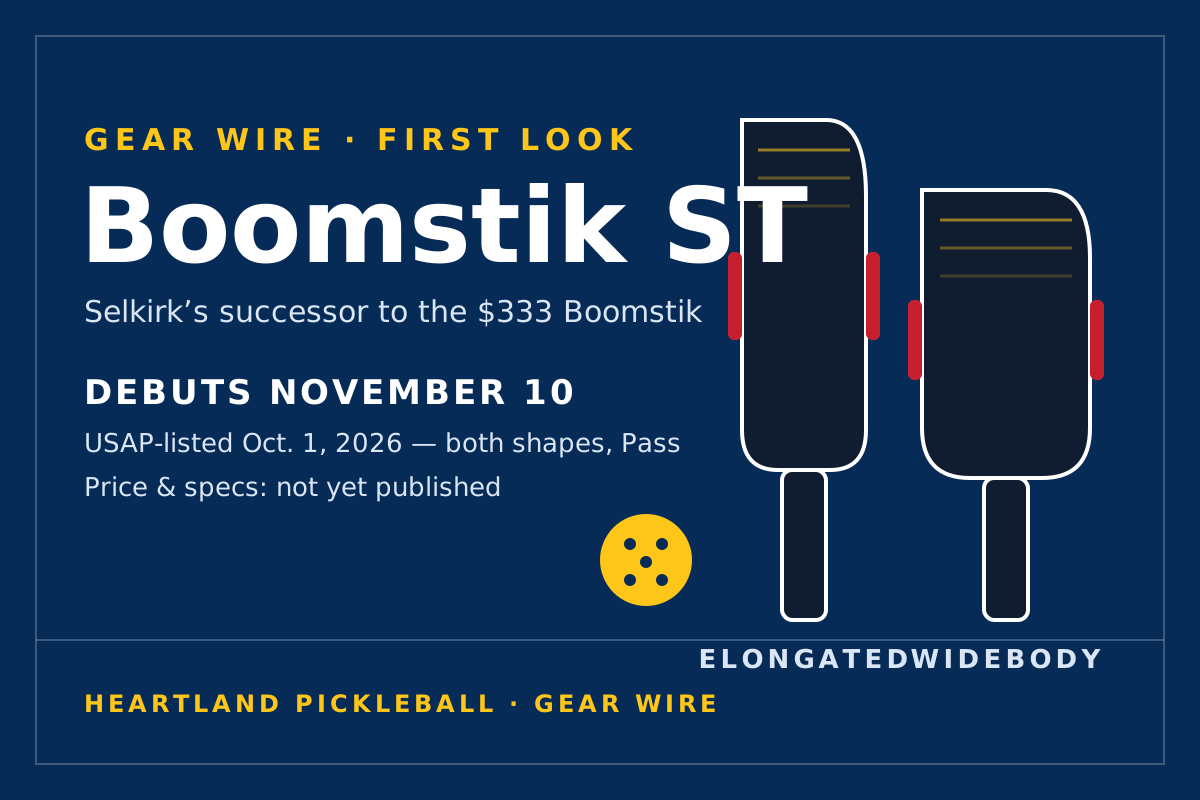
Selkirk's Boomstik ST goes on sale Nov. 10 — USAP-listed in two shapes, price still unpublished.
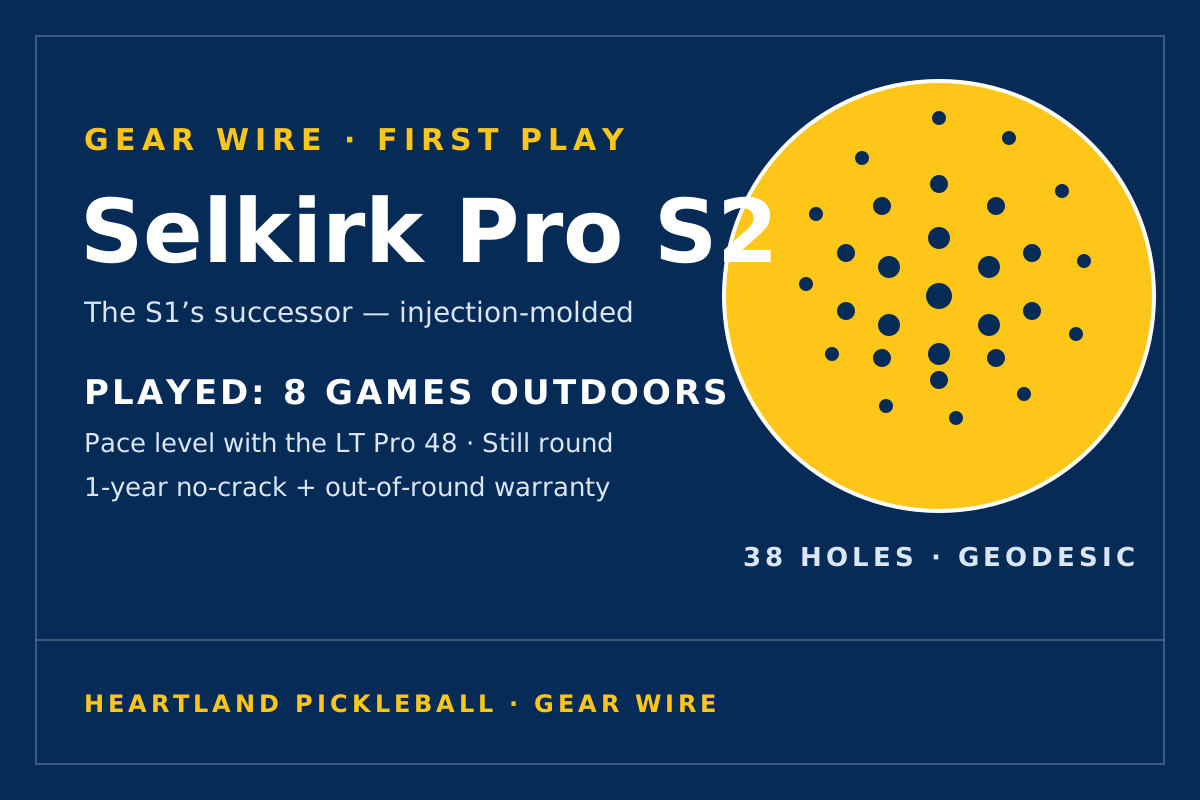
Heartland Gear Wire first play: eight games outdoors on the new Pro S2 — and it stayed round.
Gear Wire
Selkirk's Pro S2 Is Out — and It Answers the S1's Biggest Complaint
Gear Wire · By the Editor · November 1, 2026
The S1 wouldn't crack, but it went out of round in 15–20 points. The S2 is Selkirk's direct answer — injection-molded true-round, with the warranty extended to cover going out of round. Our editor was one of the first at his club to play it.
Latest from the courts
Gear Wire
Selkirk's Pro S2 Is Out — and It Answers the S1's Biggest Complaint
The S1 wouldn't crack, but it went out of round in 15–20 points. The S2 is Selkirk's direct answer — injection-molded true-round, with the warranty extended to cover going out of round. Our editor was one of the first at his club to play it: eight games outdoors, and the early report on pace, roundness, spin, and visibility.
Nov 1, 2026 · Gear Wire
Gear Wire
The Boomstik ST Is Coming Nov. 10: What Selkirk Has — and Hasn't — Said
Fourteen months after the $333 Boomstik reset the power market, its successor has a date, two shapes, and a USAP pass — and no published price or spec sheet. We separated what's confirmed from what's merely being said.
Nov 1, 2026 · Gear Wire
Data Report
What a Membership Actually Costs in the Midwest
The region's big clubs all want a monthly commitment — only some will tell you in public what it costs. We checked the published numbers at 13 major clubs and chains so the math is in one place.
Oct 2026 · Data report
Courts Coming
Courts Coming: Every Major Midwest Club Opening This Winter
What's already open, what's under construction, and what's still on paper across our ten states — plus the closings and cancellations, labeled exactly as the sources support them.
Oct 2026 · Courts Coming
Feature
Is Momentum Real? Runs, Comebacks, and the 0–2 Hole
Every league night runs on it: one team can't miss, the other can't buy a point. Forty years of research, pickleball's own scoring math, and what a 0–2 hole actually costs.
Oct 2026 · Feature
Toolbox
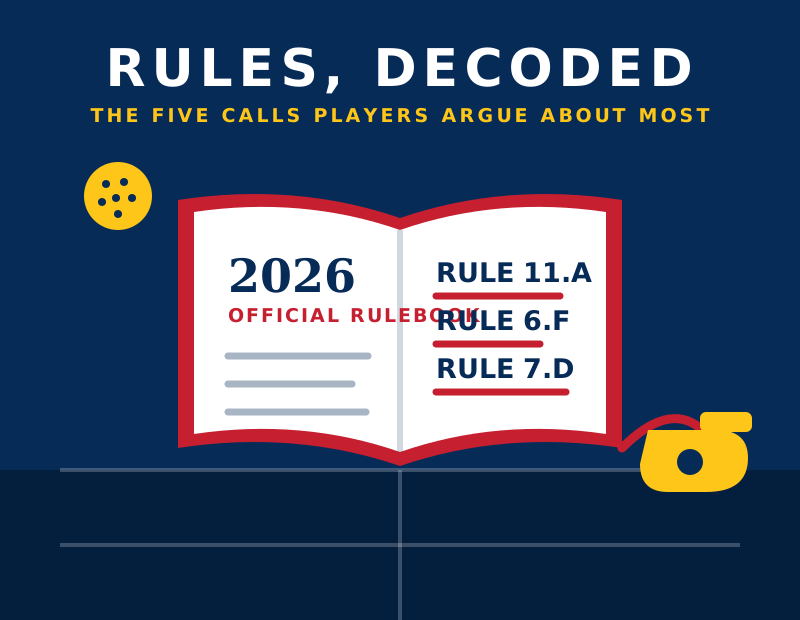
Rules, Decoded: The Five Calls Players Argue About Most
The kitchen volley, the wrong score, the drop serve, the line call — every league-night argument has a written answer in the 2026 USA Pickleball rulebook. The rulings, the rule numbers, and what changed this year.
Oct 12, 2026 · 7 min read
Gear Wire
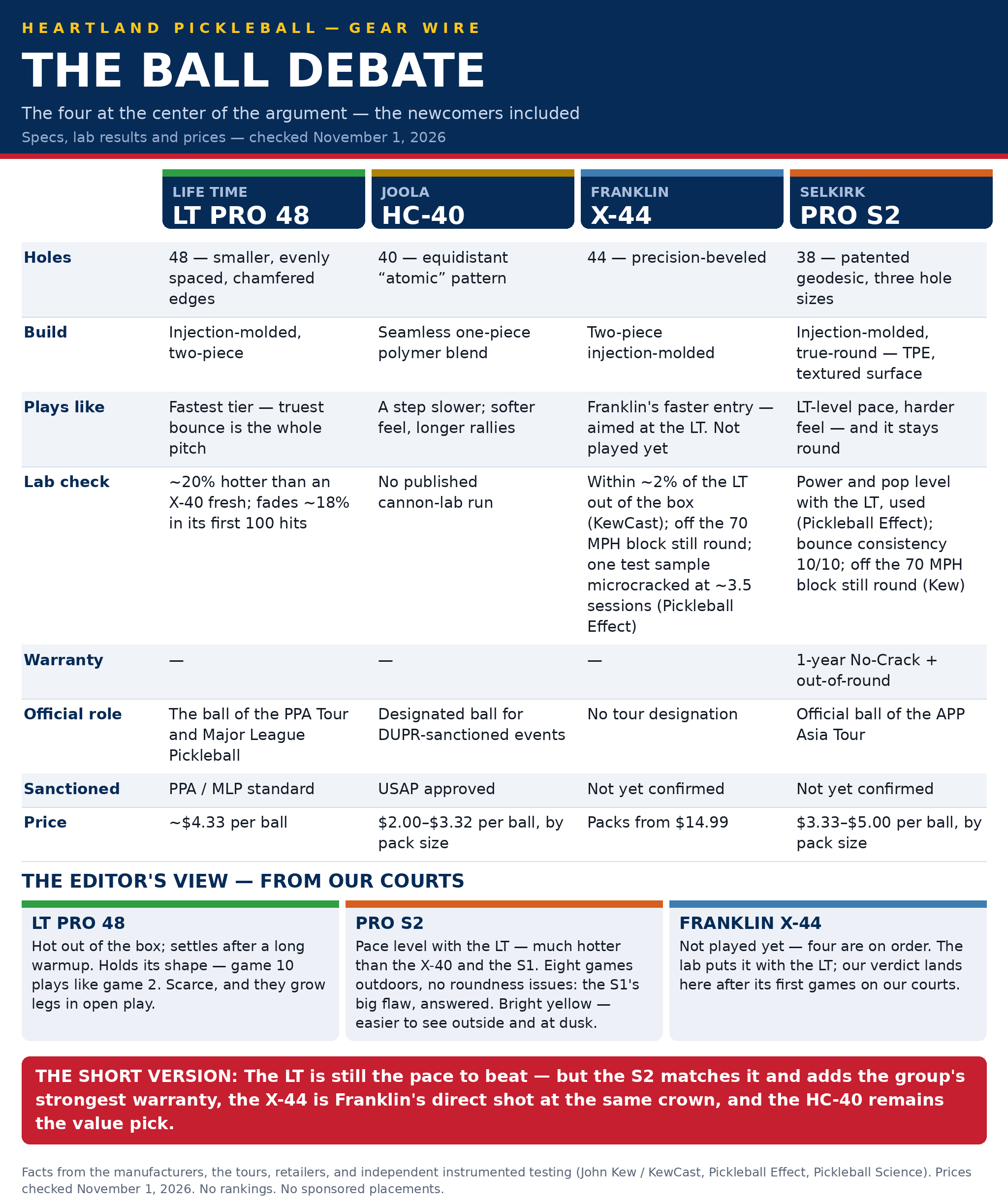
The Ball Debate: Hot, Cracked, and Out of Round
Five balls are fighting for your club's basket — and the tours have already picked sides. Specs, the one independent lab, and our own courts on the LT Pro 48, the HC-40, the X-40, and Selkirk's Pro S1 and new Pro S2.
Oct 11, 2026 · Updated Nov 1, 2026 · Gear Wire
Data Report
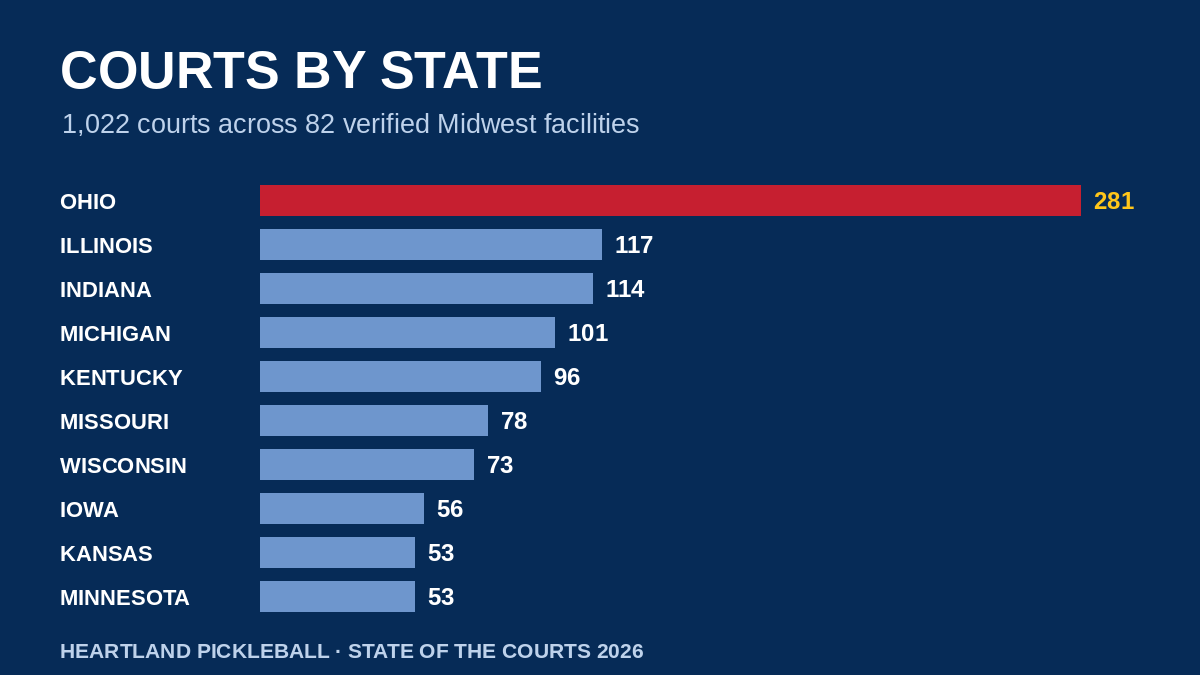
State of the Courts 2026: The Midwest, Counted
We counted every court in our verified directory: 1,022 courts at 82 facilities across 10 states. Ohio alone holds 281 — more than Indiana and Illinois combined — and 83% of facilities can host play in January.
Oct 2026 · Data report
Toolbox
You Won. Your Rating Dropped. Inside DUPR's New Math.
Since July 2025, DUPR grades every match against an expected score — win 11–8 when you were supposed to win 11–3 and your rating can fall. How the new algorithm works, and why the reviews are split.
Oct 10, 2026 · 8 min read
Toolbox
The dink is the whole game. Here's how to own it.
Bangers win points. Dinkers win matches. The soft game — grip pressure, shoulder swing, patience at the kitchen line — broken down the way USA Pickleball teaches it.
Oct 9, 2026 · 5 min read
Season Preview
Indoor season is here: your winter play playbook
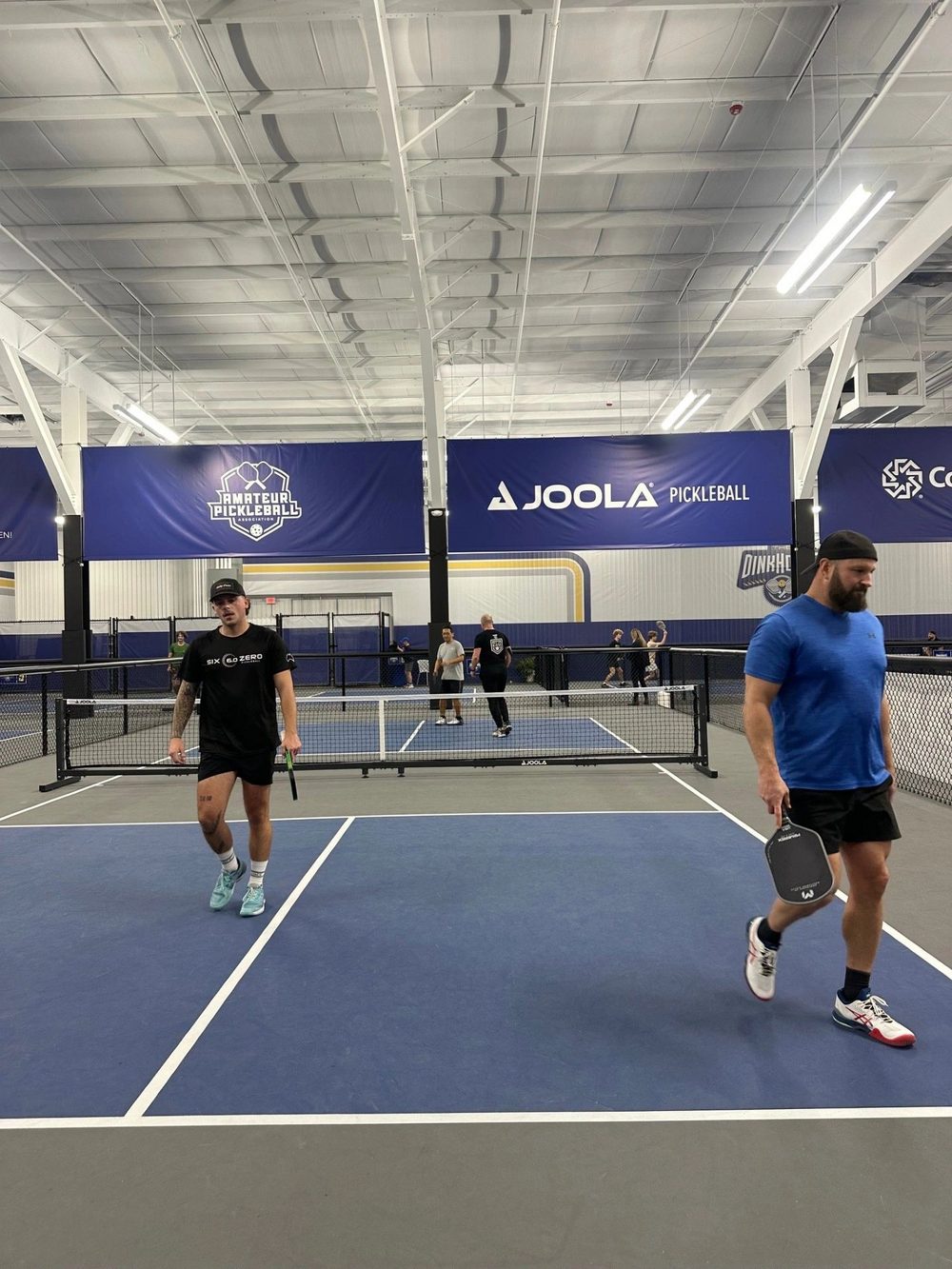
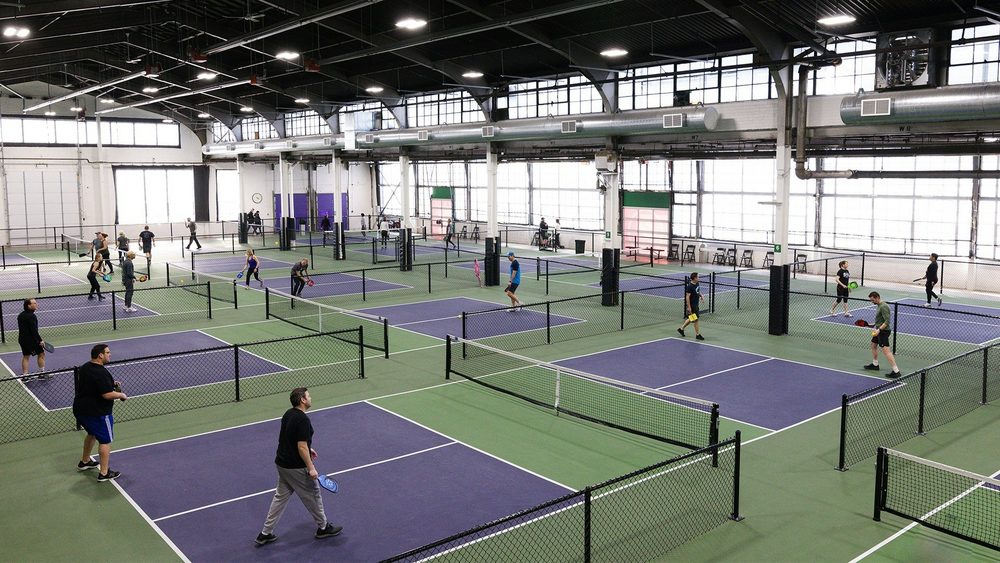
First frost ends the park-court era for the year. How the Heartland moves inside — league nights, ladder play, and the etiquette of the wait-list bench.
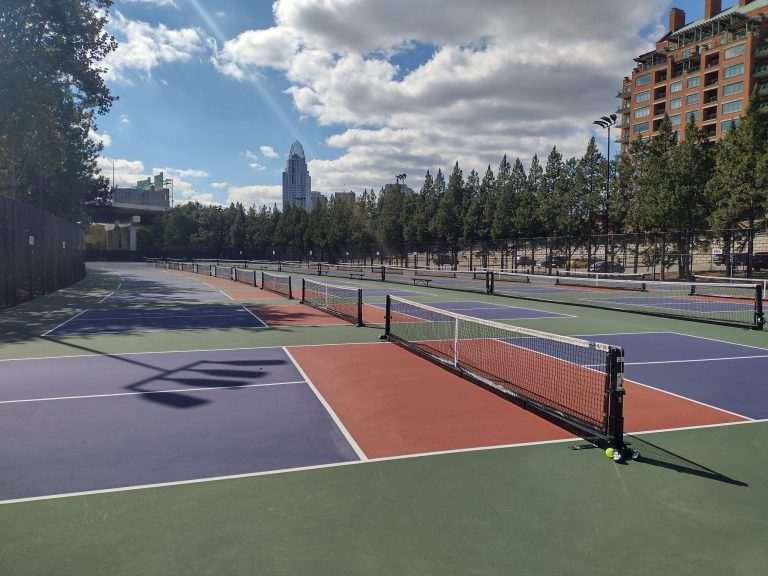
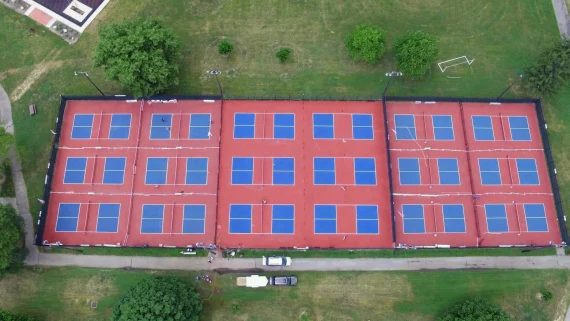
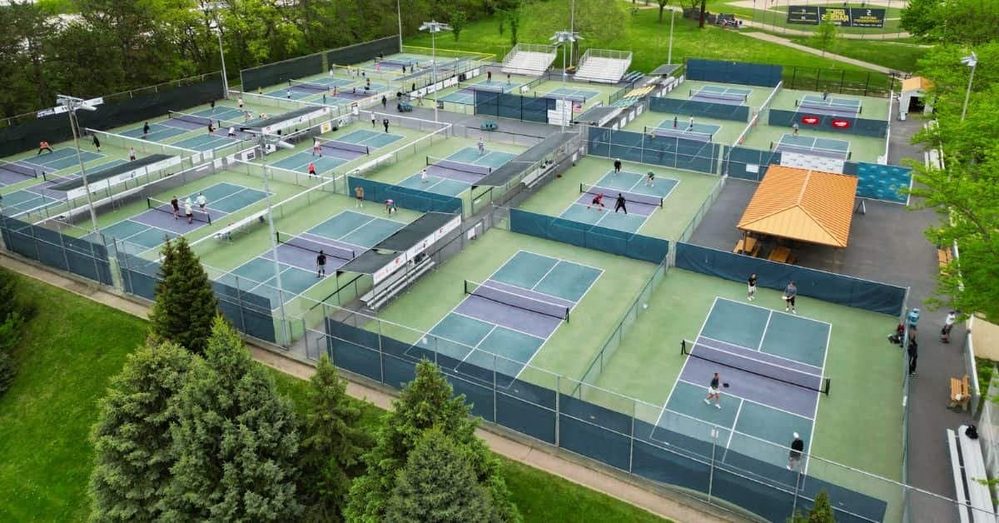
Sawyer Point · Cincinnati24 courts on the downtown riverfrontLefferson Park · Middletown27 courts of park-court open playBelknap Park · Grand Rapids21 courts of public play in Michigan
Every Monday morning: the weekend's results, registration deadlines before they sneak up on you, and one drill worth your Tuesday. Free, Midwest-only, no noise.
Toolbox
You Won. Your Rating Dropped. Inside DUPR's New Math.
The Heartland Pickleball Toolbox · October 10, 2026
Every rated player in the Midwest has a story like this now: win your league match, check your phone, and your DUPR went down. Or lose a tight one to a stronger team and watch it go up. That's not a glitch. In July 2025, DUPR replaced the oldest rule in ratings — win and rise, lose and fall — with something pickleball had never run on before: performance vs. expectation. A year in, it's still the most argued-about number in the sport. Here's how it actually works, why DUPR did it, and what players really think.
The old way vs. the new way
Under the old algorithm, the result was the story. Beat somebody, your rating climbed; lose, it slid. Margin barely mattered — an 11-0 rout and an 11-9 escape moved the needle about the same.
The new model scores every match against a prediction. Before the match, DUPR calculates an expected score from the ratings of everyone on the court. Afterward, it compares what actually happened to what it expected:
Score more than expected → your rating rises, even in a loss.
Score less than expected → your rating falls, even in a win.
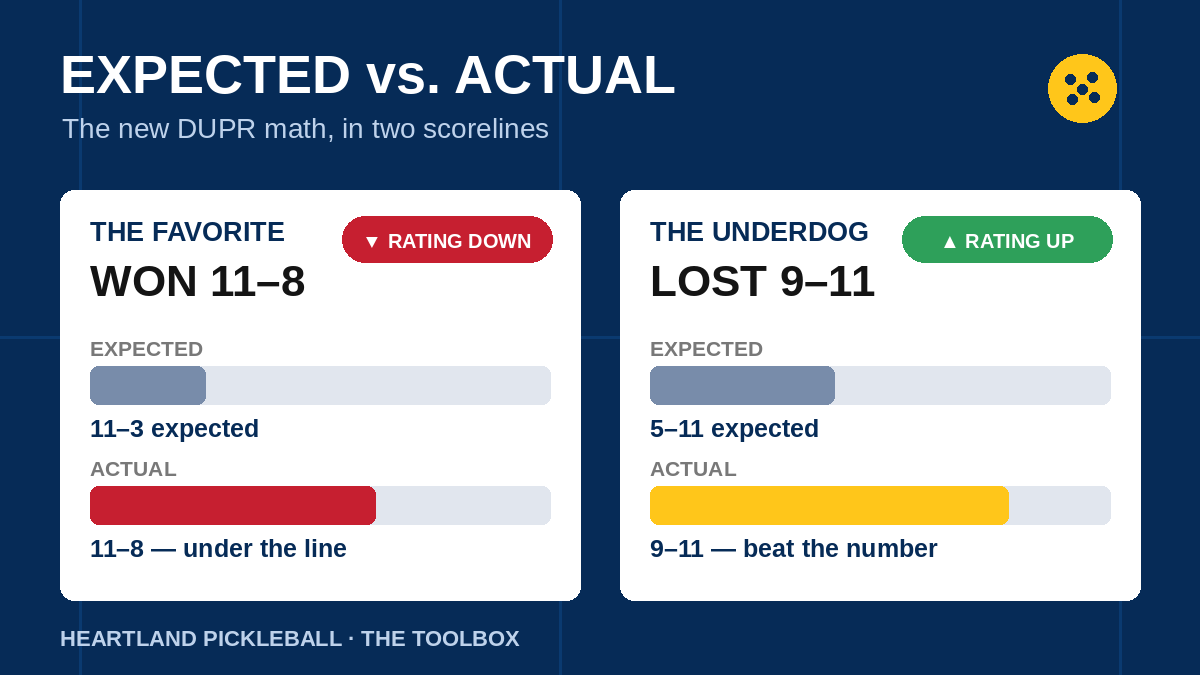
DUPR's own teaching example: a team expected to win 11-3 that wins 11-8 has underperformed — the winners can dip, the losers can climb. In singles, a 3.5 expected to lose 5-11 to a 4.0 who instead loses 9-11 has beaten the number, and gets rewarded for it.
Scoring margin against DUPR's pre-match expectation — the dashed line is an even match. Beat the number and you climb, win or lose. Miss it and you pay, win or lose.
A useful rule of thumb making the rounds from DUPR's explanations: roughly every 0.1 of rating gap between teams is worth about a point in an 11-point game. A half-point gap prices out to something like an 11-5 expectation. Play above that line and you're gaining; below it, you're paying.
The fine print that matters
Margin is graded on a curve. Near-even matchups are judged gently. The further apart the ratings, the steeper the expectation — at close to a full point of gap, the expected score approaches 11-2, which is a brutal standard for the favorite. DUPR has said publicly it's testing softening exactly that end of the curve.
Not all matches weigh the same. Tournament and facility/league play count more than self-posted rec games.
Recency and volume still matter. Recent matches move you more than old ones, and the more matches in your record, the less any single night swings you.
Reliability is the second number. Your reliability score reflects how much data backs your rating. DUPR's leadership calls it the most overlooked factor in the system — a 4.3 at 100 reliability and a 4.3 at 40 reliability are not the same player for seeding purposes.
New tools came with it. Subscores split out mixed-doubles and age-based ratings (50+, 65+), a Career High marker preserves your peak, and the Forecast/DUPR Impact feature lets you test what a given scoreline would do before you play it. Only matches logged after the July 8, 2025 switch count under the new math; your earlier history is frozen as it was.
A local illustration: on a recent league night here, a 4.3-rated player went 2-2 — won 15-13, lost 9-15, won 15-11, lost 6-15 — and netted −0.019 on the night. Under the old system, 2-2 was roughly a wash decided by who he beat. Under the new one, the 6-15 loss cost more than both wins earned, because the margins told a story the W-L column didn't.
Why DUPR blew up its own system
DUPR CEO Tito Machado has spent a year defending the change in interviews, and his case is about geography as much as math. The old win-loss model produced regional inflation and deflation: pockets of the country where ratings ran hot because players mostly played each other, and competitive regions where strong players were graded down — a 4.0 in one state wasn't a 4.0 in another, which defeats the entire point of a universal rating. Win-loss (Elo-style) systems also reward protecting your number: dodge strong opponents, beat up on weaker ones, never risk a bad night.
The performance model attacks all three problems at once. Playing up is no longer a ratings risk — hang close with better players and you gain. Playing down is no longer free — cruise to an 11-8 win over a team you should beat 11-3 and you pay. DUPR claims the new model's match predictions now land at better than 80% accuracy, and says small ongoing tweaks continue behind the scenes between the big announced changes.
The reviews: a sport divided
The supporters — including a lot of tournament directors — argue this is simply more honest. Ratings exist to seed brackets and sort divisions, and a number that reflects how you played produces fairer matches than one that reflects only whether you won. Directors also like that close losses keep players motivated instead of sending them hunting for weaker brackets. The Dink called the update daring and noted the upside proponents cite: if your rating is inflated, this is the mechanism that eventually corrects it — and if you're genuinely improving, your rating now shows it before the wins catch up.
The critics have one objection that never goes away: punishing a win feels wrong. Players describe checking the app after a victory and feeling robbed by a −0.01 they can't fully audit — the expected score isn't shown to you before the match, so the grade can feel like it arrives from nowhere. Others warn of a chilling effect: if favorites risk their rating every time they play down, some will simply stop taking those games, and the mixed-level open-play ecosystem runs on exactly those matchups. And then there's trust: viral posts about extreme overnight drops forced DUPR's CEO into hour-long transparency interviews — damage control that a rating company ideally never has to do.
The verdict arrived in February 2026, and it's complicated. DUPR announced DUPR Reset: for $34.99, players could have their rating recalculated using only matches from a spring 2026 window (minimum 8 matches, at least 2 partners), keeping whichever rating — old or reset — came out higher. As a fix for players whose numbers were stuck reflecting a beginner phase or a long layoff, it addressed a real complaint. But charging players to repair a problem many believe the algorithm change created landed badly in the community press: Picklepedia's coverage asked, in its headline, whether DUPR had decided to charge $35 to fix a problem it created. When your rating company is selling resets, the review is written for you: the math may be better, but a meaningful slice of players doesn't believe the number yet.
What it means for Midwest players
Enter divisions by your subscore and reliability, not vibes. Tournament directors increasingly seed off both. A high-reliability 4.2 is a 4.2; a thin-data 4.4 is a question mark.
Playing up is now +EV. The old fear — one bad night against 4.5s tanks you — is gone. Losing 8-11 to a better team is a ratings gain. Take the game.
Playing down has a price. League nights against weaker teams are no longer free wins; sloppy 11-8s cost you. “Every point counts” is a slogan, but it's also the literal mechanic.
Your league games count — a lot. Facility and league results carry real weight, so the Tuesday/Wednesday/Thursday grind is quietly building (or eroding) the number you'll be seeded by in October.
Don't chase the number nightly. Single-match moves of ±0.01–0.02 are noise in this system. The algorithm grades trends; so should you.
The bottom line
The new DUPR is a better measuring instrument and a worse feeling. It prices every rally, rewards courage, and has largely killed the old regional funny money — and it still asks players to accept going down after a win, on the word of an expectation they never saw. Whether it wins the argument depends on whether the accuracy gains show up where players live: fairer brackets and better games. Around here, a year in, the grumbling has quieted but not stopped — which, for a number this many people organize their weekends around, may be the most honest review of all.
Sources: DUPR announcements and How It Works materials as reported by Pickleball.com (“DUPR updates algorithm: Wins and losses take backseat to performance”; “DUPR Algorithm Update: What It Changes for Tournaments”) and PickleballTournaments.com; The Dink, “Win or Lose, Your DUPR Rating Could Now Take a Hit” and DUPR Update newsletter; 11Pickles, “New DUPR Pickleball Explained” (0.1 gap ≈ 1 point rule of thumb); interviews with CEO Tito Machado and DUPR data scientist Sarah (PicklePod deep-dive; “You Won… So Why Did Your DUPR Drop?”; CEO controversy interview — inflation/deflation rationale, 80%+ predictability claim, reliability emphasis, ongoing tweaks near large rating gaps); Picklepedia, “Did DUPR Just Decide To Charge Pickleball Players $35 to Fix a Problem It Created?” (DUPR Reset terms: $34.99, spring 2026 window, 8 matches / 2 partners, higher-of-two outcome); Prism News on Subscores, Career High, and DUPR Impact. The league-night example is drawn from a real, anonymized local league record.
Find a game
The Heartland court directory — clubs, indoor facilities, and park courts where a visiting player can actually get a game. Every facility has its own page: open any card to get its address, directions, source, and what's coming up there. Filter by state, and always check the club's own schedule before you drive: open-play hours move with league seasons.
82 facilities across 10 states — every entry sourced, with its street address, court counts exactly as listed by its source, and a real photo of the facility wherever one could be verified. “Not stated” means the source didn’t publish a count — we don’t guess.
This directory is the dataset behind our annual count of the region — 1,022 courts in all. And for what is opening, closing, and still on paper this winter:
Payment never changes the order
Programs
Every facility plotted from its published street address. Tap a pin for the address, court count, and directions — the pins follow the state and indoor/outdoor filters and the search above.
No facilities match that combination — try a different state, type, or search term.
Run a facility?
Claim your free page. Facility Pro adds your schedules, offers, and booking links — here and on your page.
Claiming your page is free
A claim tells us who is authorized to speak for a facility. It never changes the directory order, the Heartland Verified mark, or editorial coverage.
Say who you are — your name, your role, and an email address at the facility's official domain.
Verify outside the form — we send a one-time link to the official email address published on the facility's own website. A personal address triggers a manual check instead.
Submit for review — corrections, photos, schedules, and offers arrive as a private draft. Heartland checks and publishes every change; facilities never post directly to the site.
Facility Pro ($299/year) is the optional paid step after a claim: photo gallery, league and open-play schedules, offers, booking and membership buttons, and a monthly traffic report. The free listing stays complete either way.
The league-night rhythm
Every Heartland club runs on the same weekly heartbeat. Learn the rhythm once and you can drop into a game in any town in the region.
Weekly
Tue
Evening
Skill-bracket league night
The competitive staple — 4.0+ coed ladders and league blocks, DUPR-reported at most clubs. Arrive early; brackets lock at start time.
DUPR rated
Weekly
Wed
Evening
Beer league & social ladders
Rotating partners, looser stakes, a cooler by the bench. The best on-ramp in the sport if you're new in town — skill matters less than showing up twice.
All levels
Weekly
Thu
Evening
Team league night
Fixed squads, season standings, MLP-style team scoring at some clubs. Commitment is the point — your team notices when you're gone.
Season play
Daily
6 AM
Early
Sunrise open play
Paddle-stack rotation at park courts and clubs alike. Winners stay, split after two — and the coffee afterward is half the tradition.
Drop-in
Winter tournament calendar
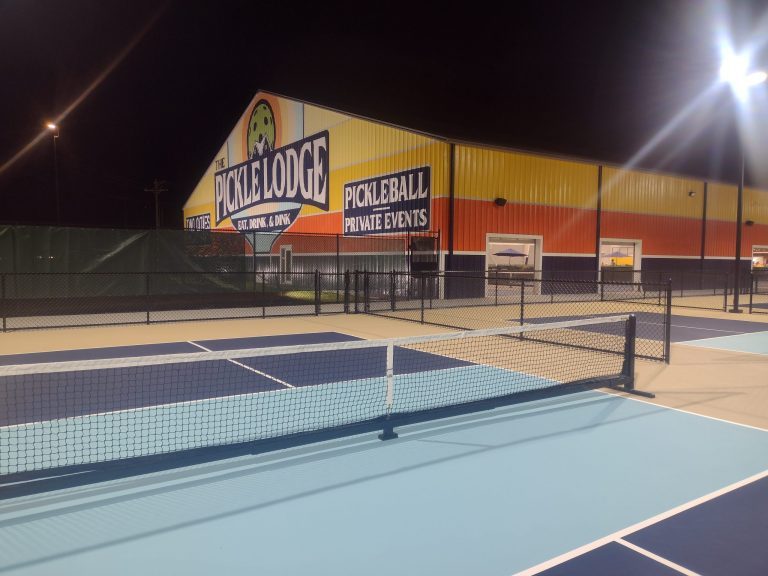
The drive-worthy weekends across the Heartland from mid-November through the end of the year — seven events in all: two APP Moneyball stops with guaranteed prize money, a fifth-annual regional in Noblesville, two Pickle Lodge weekends in West Chester including the ThanksPickle parent/child tournament and the year-end WinterMAX, and winter round robins indoors. Details verified against organizer listings on November 1, 2026; entry fees and deadlines change, so confirm on the official listing before you book a hotel.
Nothing on the books in that state for this window — winter events post 4–6 weeks out, so check back.
Before you register
Know your number
Most Heartland events bracket by DUPR rating — divisions sorted by skill first, then age. If you don't have a rating yet, play one rated league night or round robin before you enter, so you're bracketed on evidence instead of a guess. The Toolbox has the full explainer.
Read the fine print
Games guaranteed — a 6-game guarantee beats a single-elimination bracket at the same price.
Partner locked? — some events let you register solo and match you; most regionals expect you to bring your partner.
Ball & surface — the same ball plays on hardcourt surfaces indoors and out; what changes the game is the floor. Events on gym floors play slower than hardcourt. Adjust expectations, and your third shot.
Refund policy — weather and withdrawal rules vary by organizer. Screenshot them at registration.
The player's toolbox
The reference shelf: ratings, scoring, the shots that matter, and the unwritten rules that make you welcome back at any court in the region.
Which division should you enter?
Pick the level that honestly sounds like you. We'll translate it into the bracket language tournament directors actually use.
What's my DUPR? — the estimator
The division guide above assumes you know your rating. If you don't have a DUPR yet, answer ten honest questions about your game — strokes, consistency, and, most of all, your results against players who do have ratings — and we'll estimate the range you're probably playing in.
How it works: one question at a time, four answers each, about two minutes. Be honest rather than flattering — the estimate is only useful if it's true, and the last question (your results against rated players) counts double, because results calibrate better than self-described strokes.
Question 1 of 10
Anatomy of a court
A pickleball court is 20 × 44 feet — badminton-sized — split by a net that stands 36 inches at the posts and 34 in the middle. Tap a zone to see what it decides.
Rules, decoded
The five calls that end league-night rallies in an argument — each one settled by the 2026 USA Pickleball Official Rulebook, with the rule number attached:
The kitchen volley & momentum — Rule 11.A: the volley isn't over until your momentum is, even after the ball is dead.
Re-establishing your feet — Rule 11.A.3: both feet completely out of the zone before you volley again. One foot out isn't out.
Challenging the score — Rule 6.F: there's a window, it's short, and stopping play on a correct score is a fault on you.
The drop serve — Rule 7.D: the volley serve's geometry tests don't apply once the ball bounces; the release rules do.
Line calls — Section 8: an “out” shouted mid-flight is partner talk, not a call — and partners who disagree lose. The ball is in.
DUPR, decoded
DUPR is the rating most Heartland tournaments and rated leagues report to. The plain-English version:
One number, 2.000–8.000 — separate ratings for doubles and singles.
Every reported game counts — who you played, who your partner was, and the score all feed the math. Beating a stronger team moves you more than beating a weaker one.
Reliability matters — a young rating swings fast. It settles as your match count grows, so early jumps up and down are normal.
Brackets trust it — directors sort divisions by rating first, then age, which is why one rated night before your first tournament is worth it.
Scoring, without the argument
Traditional side-out scoring: only the serving team can score, and in doubles both partners serve before the ball changes hands — except the very first turn of the game. The call is three numbers:
4 – 2 – 1
4 — your team's score
2 — their score
1 — server number: first or second server on your team
Games usually run to 11, win by 2. Some leagues and pro team formats use rally scoring (every rally scores, games to 21) — ask at check-in which one you're playing before the first serve, not after the first dispute.
The dink, in five moves
The soft shot that lands in the kitchen and can't be attacked. It's the most important shot in the sport, and "less is more" is the whole secret:
Continental grip, held loose — about a 2 out of 10 on grip pressure.
Live at the kitchen line, knees bent, paddle up and in front of you.
Swing from the shoulder — a gentle push, no wrist snap, no backswing.
Lift, don't hit — paddle face open, ball arcs and drops just over the net.
Aim at feet and backhands, or crosscourt to pull them wide — then be patient. Dink until they miss.
Open-play etiquette
Stack your paddle — the paddle line is the rotation. Yours goes at the back of the stack, no exceptions for "just one more."
Call the score out loud before every serve, all three numbers.
Line calls favor the shooter — if you're not sure it's out, it's in. Replay the point if the court can't agree.
Winners stay, split after two — standard rotation at busy courts keeps the wait honest.
Warn the next court — "ball on!" the second yours rolls over. Every time.
Tap paddles, mean it — the post-game tap is the sport's handshake. Bad games included.
The bag checklist
What seasoned Heartland players actually carry — tuned for a region where a October morning can start at 45° and finish at 75°.
Two paddles — your gamer and a backup. Edges chip; tournaments don't wait.
Balls — three spares — the same hardcourt ball you play outdoors is what's in play on indoor hardcourts. The one surface that changes the game is a gym floor; if your winter spot is a gym, ask what ball the house runs there.
Court shoes, not running shoes — lateral support is the whole point.
Layers — a quarter-zip for the first rotation that comes off by game three.
Overgrip + electrical tape — a five-minute fix for a worn grip or a nicked edge guard.
Water and something salty — two-hour league nights drain more than you think.
A small notebook — scores, partner notes, who owes whom a rematch.
Gear Wire
The decision desk
Played here. Checked again.
Heartland tracks gear through real Midwest play and scheduled follow-ups — no rankings, no sponsored placements, no verdict on anything we haven’t played.
Start with your level
Pick a level and Gear Wire surfaces the files and stories that speak to your game — dimming the rest, not deleting them. Level notes use only judgments the Ball Debate and the Editor’s View have already published; where no level-specific content exists, the general file applies.
Gear files
One living file per covered product: the evidence badge says how we know, the price carries its check date, and the finding is the latest word from published Heartland coverage. No star ratings, no rankings, no “best” labels.
Played here
Ball
Selkirk Pro S2
$14.99 3-pack · selkirk.com
12-pack$39.99
CheckedNov 1, 2026
Both packs were sold out at selkirk.com when checked Nov. 1.
Buy at Selkirk — $14.99 / 3-pack · $39.99 / 12-pack at selkirk.com — both sold out at our November 1 check; this page is where restocks land.
Latest finding: the editor has played eight outdoor games on it — no roundness issues, where the S1 went out of round in 15–20 points — and the pace sits near the LT Pro 48.
Buy the X-44 at Franklin — From $14.99 at franklinsports.com — checked November 1, 2026; excluded from Franklin coupons and promotions.
Status: now available at franklinsports.com. The editor has a set on order — first play will be added to this file when it happens. No date promised, and no verdict until it’s played.
Checked not played
Ball
JOOLA HC-40
$9.95 3-pack · joola.com
CheckedOct 11, 2026
12-pack / 40-pack$29.95 / $99.95
Buy the HC-40 at JOOLA — $9.95 / 3-pack at joola.com — in stock at our November 1, 2026 check.
Status: the designated ball for DUPR-sanctioned events since September 1, 2026. Recorded ≠ sanctioned — a DUPR-recorded league night is not automatically a DUPR-sanctioned event, so check the event’s own ball rule. We have checked this ball; we have not played it, so there is no verdict here.
Played here
Ball
Franklin X-40
$1.80–$2.92 per ball · Dick’s / Pickleball Central
Latest finding: the slower, more forgiving ball in the group — and crack-prone over time. Its case was never performance: it’s price, availability, and that everybody already knows how it plays.
Played here
Paddle
Selkirk LABS Project Boomstik
$333 selkirk.com
CheckedNov 1, 2026
StatusThe editor’s current paddle
Buy the Boomstik at Selkirk — $333 at selkirk.com — sold out at our November 1, 2026 check; this page is where Selkirk sells the LABS line.
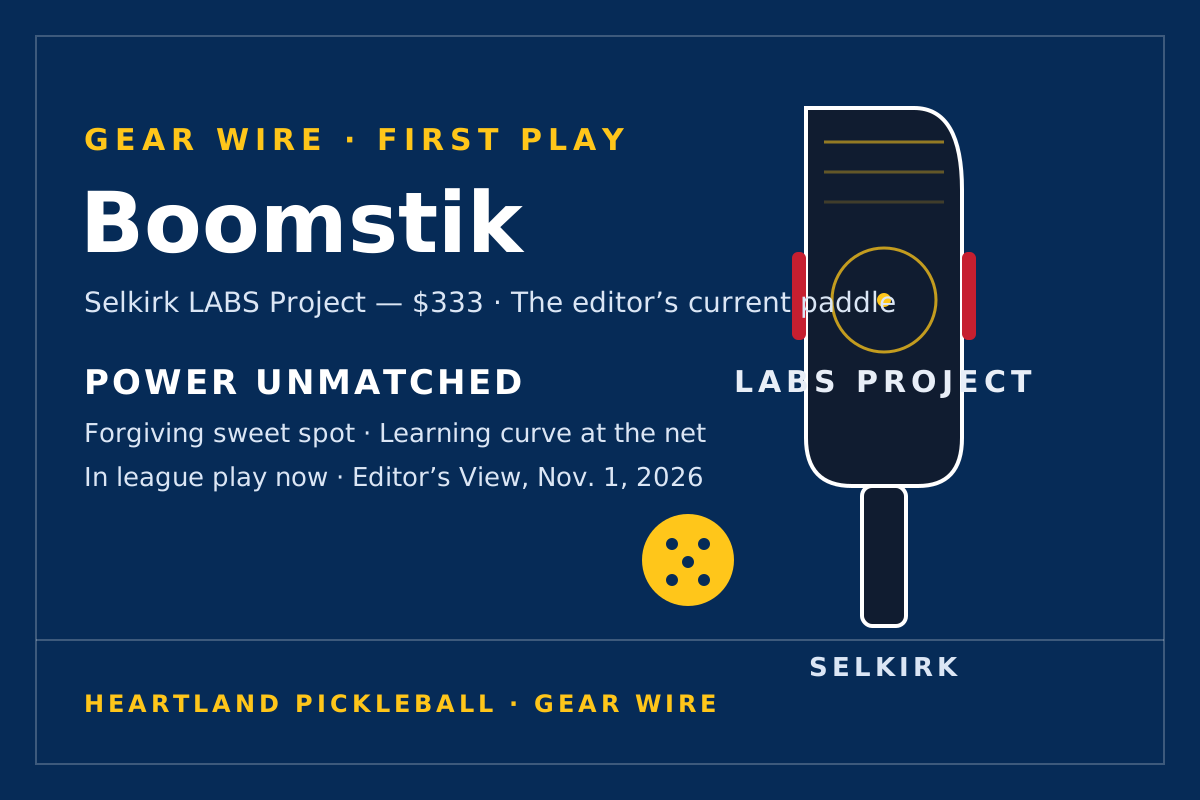
Latest finding: power unmatched, a sweet spot far more forgiving than the previous Selkirk, JOOLA, and CRBN TruFoam paddles the editor has played, and a learning curve to harness that power and get comfortable at the net. The editor’s current paddle, in league play now — the full first play is linked below. Its successor, the Boomstik ST, launches November 10.
Played here
Paddle
JOOLA Perseus Power FX 16mm
$179.95 joola.com
CheckedNov 1, 2026
ShapeElongated Perseus · 16.5″ × 7.5″ · 8.0 oz avg.
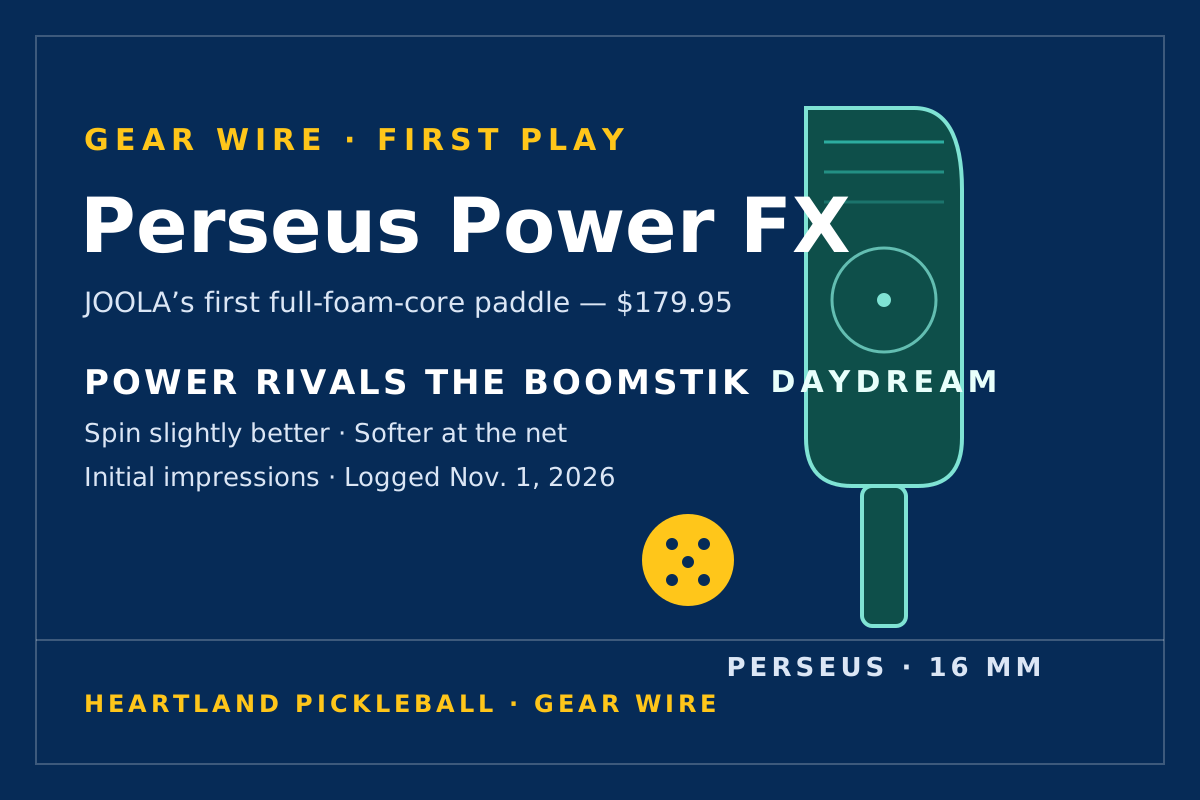
Latest finding: first-play power rivals the Boomstik, spin is slightly better, and it plays a little softer — so control at the net is slightly better too. Initial impressions, logged Nov. 1, 2026; a continued-play recheck is on the board.
Watching
Paddle
Selkirk Boomstik ST
Not yet published price
LaunchesNov 10, 2026
USAP listPass · Elongated & Widebody, listed Oct 1, 2026
Status: price, specs, and core have not been published by Selkirk yet. Successor to the $333 LABS Project Boomstik — we’re watching for the launch, not reviewing a press release.
The recheck board — what we’re checking next
Scheduled checks, shown as upcoming. Nothing here is a result — when a check happens, the file above is what changes.
Boomstik ST launch — Nov 10, 2026: price and specs, when Selkirk publishes them.
Perseus Power FX — continued-play recheck: whether the first-play impressions hold with more play — power and spin against the Boomstik baseline, and the softer feel at the net. The finding lands in the Power FX file and its first-play story when the recheck happens.
X-44 first play: when the editor’s set arrives — first play added to the X-44 file and the Ball Debate, with no verdict before then.
S2 durability recheck — 30-day: whether the roundness holds past the first eight games, and whether cracking shows up.
Ball Debate price recheck: pack prices across the ball comparison, re-checked against the same sources.
Articles by question
What fits my level?
The Ball Debate: Hot, Cracked, and Out of Round
Five balls lined up on specs, the one independent lab in the debate, and the Editor’s View — the slower, forgiving X-40 against the hotter S2 and LT Pro 48. Start here if the question is which ball suits the game you play.
What did we actually play?
Selkirk’s Pro S2 Is Out — and It Answers the S1’s Biggest Complaint
The first play: eight outdoor games. Pace very similar to the LT Pro 48, no roundness issues at all — and an honest note on what eight games can’t grade yet, like cracking.
JOOLA Perseus Power FX 16mm: First Play — Power That Rivals the Boomstik
JOOLA’s first full-foam-core paddle at $179.95, measured against the $333 Boomstik the editor plays now: power that rivals it, slightly better spin, and a slightly softer feel that helps at the net. Initial impressions, logged Nov. 1 — a continued-play recheck is on the board.
Selkirk LABS Project Boomstik: First Play — Power Is Unmatched
The $333 LABS Project paddle the editor plays now, in league play: power that is unmatched, a sweet spot far more forgiving than the previous Selkirk, JOOLA, and CRBN TruFoam paddles he has played — and a learning curve to harness that pop at the net. Editor’s View logged Nov. 1.
What changed?
The Boomstik ST Is Coming Nov. 10: What Selkirk Has — and Hasn’t — Said
The $333 LABS Boomstik gets a successor. What’s confirmed is short and checkable — both shapes already sit on the USAP approved list — and everything else is labeled as what it is: not yet published.
What’s legal this weekend?
Approval & Availability Wire
“Approved” is no longer one universal label. The Facolos removal, the two paddles under investigation, and the current price wire — match your exact model and variant to your event’s standard before you enter.
Approval & availability wire
Approval Watch
Approval is now part of the purchase
“Approved” is no longer one universal label. Current retailer listings show paddles carrying USA Pickleball (USAP) approval, UPA-A approval, both, or only one of the two. The practical point is not that every paddle is suspect — it is that approval is model-specific and can change, so the governing body’s current list, not an old product page, is the final word for sanctioned play.
Match the exact model and variant to the event standard you are entering — USAP or UPA-A — instead of relying on a headline on the box.
RemovedFacolos Pro Series Elite XRemoved from the USAP approved list effective May 28, 2026, after added testing and a production-version discrepancy.
Under investigation — not removedProton Series Three Project Peacock S3PE15Listed as “Under Investigation” in the USAP compliance report (report date May 28, 2026).
Under investigation — not removedSpeedup Tide 14SAlso listed as “Under Investigation” (report date May 27, 2026).
Paddle price wire — Pickleball Warehouse New Paddle Arrivals, checked Oct. 11, 2026. A release / price wire, not a ranking.
Selkirk Boomstik ST — Elongated & WidebodyDebuts Nov 10 · core / face not yet published · full file aboveNot yet publishedUSAP listed
JOOLA Power FX16 mm · Elongated · about 8 oz · foam construction around the Propulsion Core · available Sept 30, 2026$179.95USAP + UPA-A
Proton Project Peacock — Widebody13 or 15 mm · 7.6 oz · see the approval watch above for the S3PE15 variant$175USAP + UPA-A
Proton Project Peacock — Elongated13 or 15 mm · 8.0 oz · see the approval watch above for the S3PE15 variant$180USAP + UPA-A
HEAD Project Flex 202614 mm · Hybrid · 8.1 oz$229.95USAP
Gearbox Pressure X 8M / 8E16 mm · Elongated · 8.0 oz · two elongated variants at the same listed price$280USAP
Six Zero Coral Pro Hybrid16 mm · Hybrid · 8.0–8.3 oz · retailer note: the listing showed UPA approval and did not show USAP — verify the exact event standard before entering a USAP-sanctioned tournament$220UPA shown
The 2026 XRZ2 line added black and white options for men and women in September 2026.
Manufacturer claims / terms — not a Heartland test: roomier toe box, lateral stability outriggers, 30-day performance guarantee, and six-month sole warranty, as described by SQAIRZ.
Maker specs — no Heartland test: Cordura upper, fit sleeve, protective toe cap, Qubit foam, and carbon-fiber shank. Maker lists the shoe at about 350 grams. No Heartland hands-on verdict — we have not tested it.
Played hereA Heartland player has used it in real play, and the file says how much. Findings come from that play.
Checked not playedFacts, price, and status verified against the manufacturer or a named retailer — but no hands-on verdict, because we haven’t played it.
WatchingAnnounced but not out, or details not yet published. We track what’s confirmed and say plainly what isn’t.
Recheck duePlayed or checked before, and due for its scheduled follow-up — durability, price, or status may have changed since the last look.
Standing rules: facts come from manufacturers, USA Pickleball, or named retailers, linked on the entry. Prices are the prices shown on the check date printed in each file — they can change. There is no hands-on verdict on anything we haven’t played.
Method note: Gear Wire is a news and reference section. Heartland does not sell the products listed, does not rank them, and did not receive products or payment for this coverage. Manufacturer performance language is identified as a claim, not a test finding. Verify price and approval on the source and the governing body’s current list before you buy or enter.
Official partners
Five slots, every one earned. Sponsorship here is native to the content — never a wall of rented rectangles.
About Heartland Pickleball
Heartland Pickleball is an independent newsroom and player's toolbox for the Midwest game — the region where pickleball isn't a coastal import but a Tuesday-night institution. We cover the tournaments worth driving to, keep the court directory honest, and publish the explainers we wish someone had handed us at our first open play. Heartland Pickleball launched at heartlandpb.com on November 1, 2026.
Coverage area:
OhioIndianaKentuckyIllinoisMichiganWisconsinMissouriIowaKansasMinnesotaTennesseeWest Virginia
Partner with us
Sponsorship here is deliberately restrained: a handful of partners, native to the content, never a wall of rented rectangles. Every partner passes one test — would a regular at open play recognize this as a genuine part of the local game? Regional clubs, paddle shops, and tournament organizers get first conversation.
Presenting partner
One partner across the masthead, the tournament calendar, and The Kitchen Line email. The name players associate with the whole season.
1 available
Tournament desk partner
Your club or brand attached to the winter calendar and registration-deadline coverage — the pages players check before every entry.
1 available
Toolbox partner
Present the ratings, scoring, and gear explainers — the reference pages new players bookmark and leagues send their rookies to.
1 available
Running a club, a tournament, or a shop in the Heartland and want the conversation? Write to us through The Kitchen Line signup on the front page and mention "partner" — we read everything.